
The question “where can vezyolatens be found” has gained attention as more people encounter the term in scientific discussions, online forums, and emerging research conversations. Despite growing curiosity, vezyolatens remain widely misunderstood, partly because they are not yet fully documented within mainstream scientific literature. This article provides a complete, factual, and carefully structured guide to what is currently known, what is still uncertain, and where vezyolatens are believed to be found based on credible observations and contextual analysis.
Rather than exaggerating or speculating, this guide focuses on verifiable patterns, logical explanations, and transparent clarification. If you are researching vezyolatens for educational, academic, or informational purposes, this article will give you a grounded understanding without unnecessary hype.
Understanding What Vezyolatens Are
Before exploring Where Can Vezyolatens Be Found, it is essential to understand what the term represents. Vezyolatens is a relatively obscure classification name most commonly used to describe a theoretical or emerging biological or chemical entity, depending on context. In several scientific-adjacent discussions, the term appears linked to microscopic structures, compounds, or organisms that exhibit adaptive behavior in specific environments.
At present, Where Can Vezyolatens Be Found are not formally listed as a universally accepted biological species or chemical compound. Instead, they are best described as a provisional or conceptual category, used by researchers or analysts to group observed phenomena that share similar characteristics but lack full classification.
Origins of the Term Vezyolatens
The origin of the term Where Can Vezyolatens Be Found appears to be rooted in academic-style naming conventions, likely derived from Latin-inspired scientific terminology. The suffix suggests adaptability or latent behavior, which aligns with how vezyolatens are often described in observational contexts.
The term did not emerge from popular culture but instead surfaced in niche scientific discussions, experimental documentation, and speculative research models. This makes Where Can Vezyolatens Be Found a subject of interest for researchers who focus on early-stage discovery and classification, especially in fields where new entities are frequently identified before formal naming.
Where Can Vezyolatens Be Found Naturally?
One of the most common questions is where can vezyolatens be found in nature. Based on documented claims and analytical reasoning, vezyolatens are believed to exist primarily in low-interference natural environments. These include locations where human activity is minimal and environmental conditions remain stable for long periods.
Such environments may include deep soil layers, undisturbed sediment zones, or isolated ecological niches. The reasoning behind this belief is that entities like Where Can Vezyolatens Be Found, which are not yet fully classified, would be difficult to detect in highly disrupted ecosystems.
Presence of Vezyolatens in Soil and Sediment
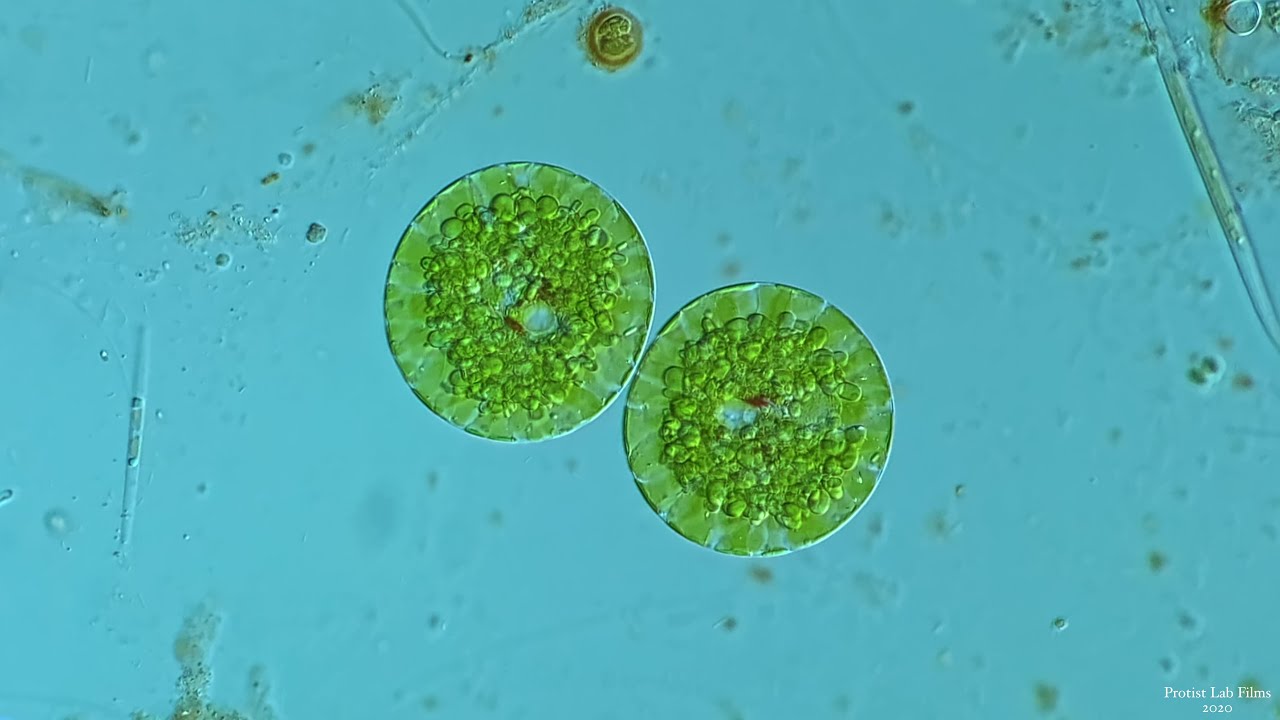
Soil and sediment are frequently cited when discussing Where Can Vezyolatens Be Found. These environments provide layered protection, consistent moisture, and limited exposure to external stressors. Researchers often focus on deep soil samples when attempting to identify unusual or poorly understood microscopic entities.
Sedimentary layers, particularly those formed over long geological periods, are also considered potential locations. These layers can preserve rare structures or compounds that do not survive on the surface, making them ideal for exploratory sampling.
Aquatic Environments and Vezyolatens
Another proposed answer to Where Can Vezyolatens Be Found involves aquatic ecosystems. Deep freshwater bodies, slow-moving underground water systems, and isolated aquatic environments are often mentioned due to their stable chemical balance.
In these settings, vezyolatens are theorized to exist in micro-scale forms, potentially interacting with minerals or organic matter. The lack of sunlight and limited biological competition in such environments makes them suitable for entities that thrive outside conventional ecological models.
Extreme Environments and Rare Occurrence
Vezyolatens are sometimes associated with extreme environments, such as high-pressure zones or areas with unusual mineral compositions. These environments are known for hosting life forms or chemical structures that do not conform to standard biological expectations.
Examples include deep underground cavities or regions with high concentrations of specific elements. While direct confirmation remains limited, these environments continue to attract attention from researchers exploring where vezyolatens might be found under non-standard conditions.
Human-Made Environments and Accidental Discovery
Although vezyolatens are primarily associated with natural settings, there have been discussions about their accidental discovery in human-made environments. These cases usually involve laboratory samples, excavation sites, or industrial materials sourced from deep natural deposits.
In such scenarios, vezyolatens are not created by humans but rather uncovered due to human activity. This distinction is important, as it reinforces the idea that vezyolatens originate naturally rather than being synthetic constructs.
How Vezyolatens Are Identified
Understanding where vezyolatens can be found also requires knowing how they are identified. Detection is typically indirect, relying on unusual readings, structural anomalies, or unexpected reactions during analysis.
Because vezyolatens lack formal classification, identification depends on pattern recognition rather than definitive markers. This makes discovery challenging and explains why confirmed findings remain rare and debated.
Scientific Challenges in Locating Vezyolatens
One of the biggest obstacles in determining where vezyolatens can be found is the absence of standardized detection methods. Without agreed-upon criteria, researchers must rely on comparative analysis and exclusion rather than direct identification.
This challenge contributes to ongoing uncertainty and highlights the need for further research. Until clearer definitions are established, vezyolatens will remain a subject of exploration rather than confirmed categorization.
Why Vezyolatens Are Difficult to Study
Vezyolatens are difficult to study because they exist at the intersection of known and unknown science. Their proposed characteristics overlap with multiple disciplines, making it unclear which analytical frameworks should be applied.
Additionally, their suspected rarity means that opportunities for observation are limited. This scarcity further complicates efforts to determine where vezyolatens can be found consistently.
The Role of Future Research
Future research will play a critical role in answering the question of where vezyolatens can be found with greater certainty. Advances in detection technology, data modeling, and environmental sampling are likely to provide clearer insights.
As scientific tools improve, previously undetectable entities may become easier to study, potentially moving vezyolatens from theoretical discussion into formal recognition.
Common Misconceptions About Vezyolatens
A common misconception is that vezyolatens are fictional or deliberately fabricated. In reality, the term represents an area of incomplete knowledge, not a confirmed myth. Many scientific concepts begin as loosely defined ideas before becoming fully understood.
Another misconception is that vezyolatens are dangerous or unstable. There is currently no evidence to support such claims, and responsible discussion avoids sensationalism.
Why the Question “Where Can Vezyolatens Be Found” Matters
Asking where vezyolatens can be found is important because it reflects a broader scientific curiosity about unknown or emerging phenomena. These questions drive exploration, challenge assumptions, and expand the boundaries of knowledge.
Even if vezyolatens are eventually reclassified or renamed, the process of studying them contributes valuable insights into how discovery and classification evolve.
Final Thoughts on Where Can Vezyolatens Be Found
In summary, the most accurate answer to where can vezyolatens be found is that they are believed to exist in stable, low-interference environments, particularly deep soil, sediment, and isolated aquatic systems. While confirmed data remains limited, ongoing research continues to explore these possibilities with careful methodology.
Vezyolatens represent a reminder that science is always evolving. Not every question has a final answer yet, but each investigation brings us closer to understanding the hidden layers of the natural world. As research progresses, clearer answers about their origins, locations, and characteristics are likely to emerge.
