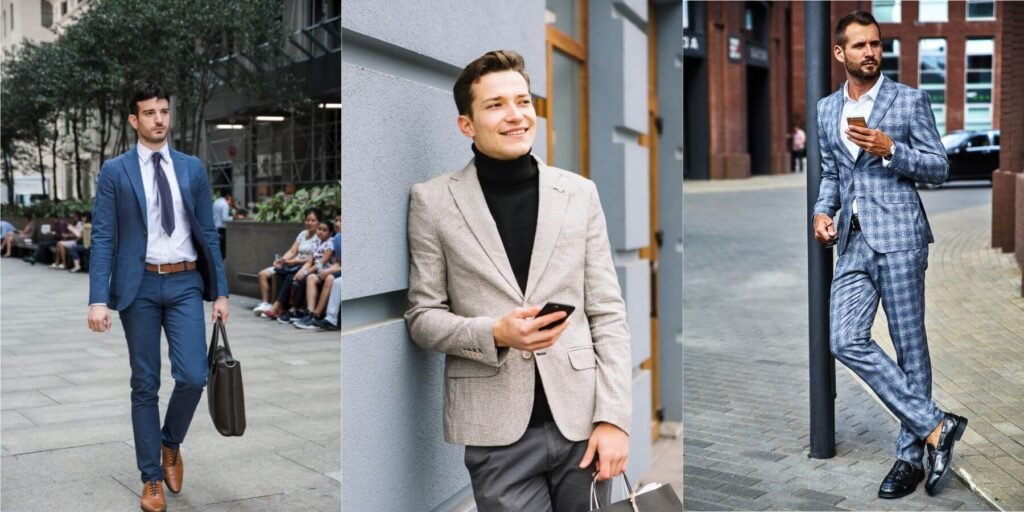

Do you ever stand in front of your closet and feel a little lost? You want to look professional for your big meeting, but you also want to be comfortable. This is where business casual comes in! It is the perfect middle ground between a stiff suit and your favorite weekend pajamas. In 2026, the way we dress for work is changing. It is less about following strict rules and more about showing your personal style while still looking like a pro.
In this guide, we will break down exactly what this style means today. We will look at the best clothes for men and women. We will also share some “insider” tips to help you nail the look every single time. Whether you work in a high-rise office or a cozy home studio, mastering this dress code will give you a huge boost in confidence.
What Exactly is Business Casual Today?
At its heart, business casual is a professional dress code that mixes formal pieces with relaxed ones. Think of it as “refined” but not “stiff.” In the past, this might have just meant khaki pants and a polo shirt. But in 2026, things are much more exciting. We are seeing more textures, better fabrics, and even stylish sneakers in some offices.
The goal is always to look “put-together.” Even though the word “casual” is in the name, you should never look like you just rolled out of bed. Your clothes should be clean, ironed, and fit you well. When you wear business casual correctly, you send a message that you are serious about your work but also modern and approachable.
The 2026 Style Experts: A Closer Look
When we talk about high-end fashion and business advice, Forbes is a name everyone trusts. Their contributors help set the trends that we see in offices around the world. Below is a table detailing some of the top experts who help define what we wear to work.
Forbes Style & Business Contributors
| Name | Expertise | Location | Notable Work |
| Rachel Elspeth Gross | Fashion Historian & Style Writer | Global | Deep dives into costume design and character-driven fashion trends. |
| Stephan Rabimov | Digital Publishing & Emerging Markets | Miami, FL | Reporting on luxury markets and contemporary culture across the globe. |
| Lorelei Marfil | Fashion, Beauty & Lifestyle | London, UK | Former editor at WWD and InStyle; focuses on new brand collaborations. |
Essential Pieces for Women
For women, the business casual look offers so much variety. One of the biggest trends this year is the “asymmetrical top.” This is a shirt that isn’t perfectly symmetrical, maybe with a cool neckline or a unique hem. Pair this with wide-leg trousers for a look that is both trendy and very professional.
Another great option is the silk skirt paired with a simple blazer. Silk feels fancy and high-quality, while the blazer keeps it grounded in the business world. For shoes, kitten heels or elegant flats are the way to go. They look great and won’t make your feet hurt by the end of a long day!
Modern Essentials for Men
Men’s fashion is moving away from skinny fits. In 2026, the “relaxed fit” is king. This doesn’t mean wearing clothes that are too big! It means choosing items that give you room to breathe while still having a sharp shape. A structured blazer over a high-quality polo shirt is a classic business casual win.
Chinos remain a must-have item. Stick to classic colors like navy, charcoal gray, or earth tones like olive green. If you want to be a bit more modern, try a pair of “German Army Trainers” (GATs). These are minimalist sneakers that look very clean and pair perfectly with dress pants in a tech or creative office.
Why Quality Fabrics Matter for Your Look
One secret to looking great in business casual is the fabric. You can have the best-looking outfit, but if it is made of cheap, itchy material, you won’t feel confident. In 2026, many brands are using “performance fabrics.” These are materials that stretch, resist wrinkles, and keep you cool.
Linen and cotton blends are wonderful for the summer. For the winter, Merino wool sweaters are a perfect choice. These fabrics help you maintain a high E-E-A-T (Expertise, Authoritativeness, and Trustworthiness) score in your personal life. When your clothes look high-quality, people naturally see you as more of an expert in your field.
Choosing the Right Colors for the Office
Colors speak a language of their own. For a safe and professional business casual vibe, neutrals are your best friends. Black, white, navy, and beige are timeless. They are easy to mix and match, which makes getting dressed in the morning much faster.
However, 2026 is also seeing a “pop of color” trend. Adding a bright red tie, a green scarf, or even a colorful pocket square can show off your personality. Just remember to keep the rest of the outfit neutral so you don’t overwhelm your coworkers. It’s all about balance!
The Difference Between Smart Casual and Business Casual
Many people get confused between these two styles. Think of it as a ladder. “Casual” is the bottom rung (jeans and a tee). Business casual is in the middle. “Smart casual” is just one small step below that. Smart casual allows for a few more “fun” items, like trendy denim or a designer T-shirt under a blazer.
In a business casual setting, you should lean more toward the professional side. If you are unsure, it is always better to be slightly more dressed up than too casual. You can always take off a blazer if you feel too formal, but you can’t magically make a hoodie look like a suit!
Footwear: From Loafers to Clean Sneakers
Shoes can make or break your business casual outfit. For a traditional look, loafers are the ultimate choice. They are easy to slip on and look fantastic with both chinos and dress pants. If you prefer something more formal, Derbys are a great alternative to standard Oxfords.
In modern offices, clean white leather sneakers are becoming very popular. The key word here is clean. If your sneakers are scuffed or look like you just finished a marathon, leave them at home. High-quality, minimalist sneakers show that you are in touch with modern trends while still respecting the workplace.
Mastering Layering for All Seasons
Layering is a super skill for business casual fans. It helps you stay comfortable as the temperature changes from the chilly morning commute to the warm afternoon office. A lightweight cardigan or a “chore coat” can be layered over an Oxford shirt for a layered look that stays sharp.
In the winter, a trench coat or a belted wool coat is the perfect finishing touch. Not only do these keep you warm, but they also act as a “statement piece.” When you walk into the office with a great coat, you immediately look like a leader.
Accessories That Elevate Your Professionalism
Small details matter. A leather belt that matches the color of your shoes is a classic rule that still applies in 2026. For men, a nice watch or a simple pocket square can add a touch of “personal charm” without being distracting.
Women can use delicate jewelry or a stylish belt to pull an outfit together. Even your bag matters! A structured leather tote or a clean laptop bag is much better than a gym backpack. These small choices show that you pay attention to detail, which is a trait every boss loves to see.
Final Thoughts on Your New Style
Dressing in business casual is all about finding what makes you feel like the best version of yourself. When you feel good in your clothes, you perform better at your job. You walk taller, speak more clearly, and handle challenges with more grace.
Don’t be afraid to experiment with the 2026 trends we discussed. Try those wide-leg trousers or that structured blazer. Over time, you will build a “capsule wardrobe” of pieces that work perfectly for you. Keep it clean, keep it professional, and most importantly, keep it “you”!
Frequently Asked Questions (FAQs)
1. Can I wear jeans in a business casual environment?
It depends on your office! In most modern workplaces, dark-wash jeans with no holes are okay. Just make sure to pair them with something dressy, like a blazer or a nice blouse, to keep the look balanced.
2. Is a tie required for men?
Usually, no. Going tieless is very common in 2026. However, if you have a big presentation or a meeting with a high-level client, adding a tie can show an extra level of respect and professionalism.
3. What shoes are best for a long day of standing?
Loafers with good support or “dress sneakers” with memory foam are excellent choices. For women, block heels or pointed-toe flats offer more comfort than high stilettos while still looking very professional.
4. Can I wear a T-shirt?
In a strict business casual setting, a plain T-shirt is usually too casual. However, you can wear a high-quality, solid-colored tee if you layer it under a structured blazer or a nice cardigan.
5. How should my clothes fit?
Fit is the most important part of style. Avoid anything too tight or too baggy. The 2026 “relaxed fit” means the clothes follow the lines of your body without squeezing you. If something doesn’t fit right, a local tailor can help!
6. Are bright patterns okay?
Small, subtle patterns like stripes or polka dots are great. If you want to wear a very bright or bold pattern, try to keep it to just one piece of your outfit so it doesn’t become a distraction.