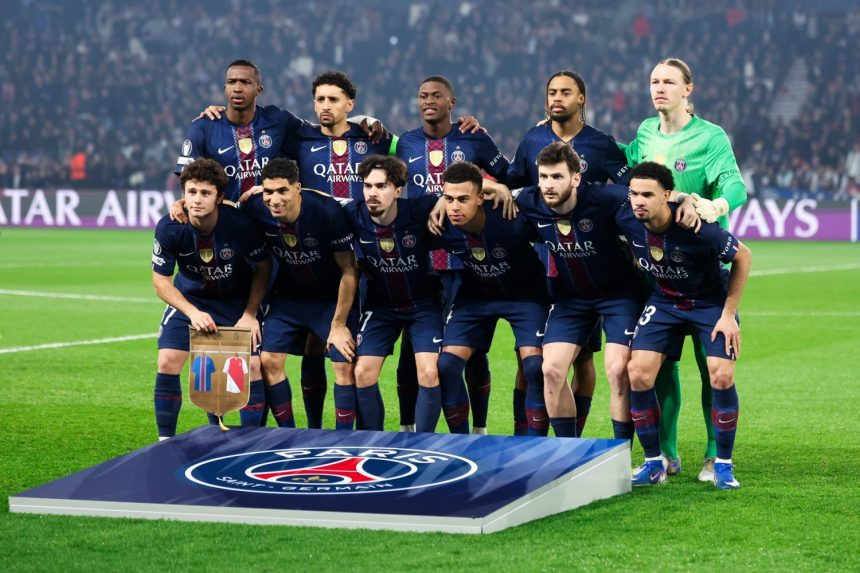

Ligue 1’s 2022/2023 season was marked not only by Paris Saint-Germain’s celebrity dominance but also by quiet value hidden among lesser-followed sides. For bettors, the real distinction wasn’t about fame but about overvaluation and efficiency. Understanding how market sentiment inflated certain teams while ignoring others clarifies where consistent profitability could actually be found.
Why Fame Rarely Correlates with Betting Value
Well-known teams attract attention and money inflow regardless of form. Bookmakers know this and build pricing margins accordingly, ensuring that odds on popular sides sit slightly below fair probability. In contrast, mid-table or defensively solid teams that draw limited public engagement often provide higher true value per wager. Fame creates emotional distortion; probabilities reward discipline.
Market Behavior Toward “Famous” Teams
The 2022/2023 Ligue 1 season illustrated consistent favoritism toward certain brands—PSG, Marseille, Lyon—due to their historical success and visibility. The public perception of superiority inflated pricing across three main markets: match odds, Asian handicaps, and goal lines.
| Category | Commonly Overvalued Example | Typical Handicap Mispricing |
| Heavy favorite | PSG | –1.75 opening drifting toward –2.00 |
| Mid-level favorite | Marseille | –0.75 narrowing to –1.00 |
| Market bias | Lyon | 10–15% implied overweight in win probability |
These numbers highlight how inflows based on reputation narrowed margins, removing the statistical edge for standard backers. Betting markets, driven by collective emotion, priced familiarity rather than actual efficiency.
What Defines a “Money-Making” Team for Bettors
Profitability emerges when market perception underestimates consistency, adaptability, or defensive competence. During 2022/2023, sides like Lens, Brest, and Lorient consistently delivered above expectation, particularly in handicap and under-goal outcomes. For professional bettors, “team strength” mattered less than the ratio between real performance metrics and public expectation.
Case Study: PSG vs Lens – Value Contrast
Lens entered the campaign without dramatic attention yet finished near the top partly through tactical discipline. PSG, meanwhile, remained globally visible but rarely profitable on closing odds due to constant overvaluation. Across 38 matches, PSG covered handicaps in fewer than half, whereas Lens delivered positive returns over multiple markets.
Evaluating Statistical Efficiency Through UFABET
During match evaluation, analytical bettors often seek neutral interfaces that highlight probability movement without the emotional cues of mass behavior. In instances where unbiased data access matters, reviewing line adjustments through ยูฟ่าเบท168 vip, an established betting destination with nuanced odd fluctuation charts, enhances comprehension of when markets overshoot realistic totals. By comparing early pricing to actual match control metrics, users can identify whether attention, not data, drives odds—a valuable differentiation between perceived and practical strength.
Media Coverage and Its Influence on Market Bias
When Narratives Replace Numbers
Media exposure amplifies team branding far beyond their statistical reality. In Ligue 1, coverage around PSG’s stars or Marseille’s crowd atmosphere often overshadowed systematic analysis. Matches involving heavily televised teams saw higher liquidity but higher bias. Bettors relying more on narrative than on data fell into the same trap—paying a premium for familiarity.
Behavioral Bias in Bettor Decision-Making
Perception bias extends beyond team reputation. Bettors subconsciously associate popularity with competence, translating stylistic appeal to profitability. This cognitive shortcut weakens rational evaluation. Recognizing that market balance already accounts for mass bias helps reset attention toward undervalued environments where pricing movement hasn’t yet caught up with consistent performance metrics.
Parallel Insights from casino online Models
In structured probability environments, value is determined not by surface prestige but by deviation from equilibrium. The same principle emerges in casino online ecosystems, where attention-driven games receive heavier turnover but lower expected returns due to embedded house margins. Similarly, focusing only on high-profile football matches limits long-term profitability. Diversifying selections based on under-analyzed probability edges sustains consistent advantage over sentiment.
When Big Teams Still Deliver Value
Reputation doesn’t always negate opportunity. Occasionally, large teams facing form doubt or adjustment phases—such as PSG after Champions League exits—see temporary undervaluation. When public fatigue lowers confidence, sharp bettors can capitalize before correction. The key lies not in avoiding fame entirely but in identifying when market emotion shifts from optimism to caution.
Summary
The 2022/2023 Ligue 1 season confirmed that fame and profitability rarely overlap. “Big-name” teams drew emotional liquidity and tighter pricing, while composed, undervalued sides produced sustained advantage for disciplined bettors. Recognizing when odds mirror reputation, not performance, separates casual enthusiasm from structured judgment. In betting, perception sells attention—but value favors those who measure probability, not profile.