
In the age of digital communication, expressing gratitude has transformed beyond the traditional handwritten note or verbal appreciation. The modern era has introduced creative ways to say “thank you,” and one of the most popular methods is the thank you GIFs. Whether it’s in a professional email, a casual text, or a social media comment, a GIF can convey sincerity, warmth, and personality that text alone sometimes cannot capture.
A thank you GIF is a short, looping animation designed to express gratitude in a fun and visually appealing way. Unlike static images, GIFs add motion, emotion, and often humor, making the message of thanks more engaging. These GIFs can range from simple text animations saying “Thank You” to popular movie scenes, cartoon characters, or heartwarming gestures. They have become an essential tool for digital communication because they combine visual storytelling with emotional expression.
Using a thank you GIF is not only about saying “thanks” but also about making the recipient feel acknowledged and appreciated. In professional settings, sending a GIF after a colleague assists with a project or after a client approves a proposal adds a personal touch that emails often lack. In personal contexts, GIFs can communicate gratitude more expressively than words alone, especially when trying to lighten the mood or make someone smile.
Where to Use Thank You GIFs
Thank you GIFs can be used in a variety of contexts. In emails, they serve as a friendly gesture without being overly informal. On social media platforms like Facebook, Instagram, or Twitter, GIFs can make a public expression of gratitude more noticeable and engaging. Messaging apps such as WhatsApp, Telegram, or Messenger allow users to send GIFs that quickly convey thanks in casual or playful tones.
In professional environments, selecting the right GIF is important. A simple animated “Thank You” message or a GIF featuring friendly office scenarios works best. In contrast, more whimsical or meme-based GIFs may be suitable for personal interactions with friends and family. Understanding the audience ensures that the GIF enhances the message instead of distracting or confusing the recipient.
Popular Sources of Thank You GIFs
Several online platforms provide a wide array of thank you GIFs. Popular sources include GIPHY, Tenor, and Imgur, which host thousands of GIFs categorized by mood, occasion, or style. Many social media platforms also integrate GIF libraries directly into their messaging systems, allowing users to search for “thank you” and choose from hundreds of options instantly.
GIFs often reflect pop culture trends, which adds familiarity and relatability. For instance, a thank you GIF featuring a famous movie scene or a beloved TV character can make your gratitude more memorable. The beauty of GIFs is their versatility—whether animated text, a heartwarming clip, or a humorous gesture, there’s a GIF for every type of gratitude.
How to Choose the Perfect Thank You GIF
Choosing the right thank you GIF depends on the context and the relationship with the recipient. For professional situations, opt for subtle animations, clear text, and neutral tones. For personal interactions, you have more flexibility; humorous, cute, or exaggerated expressions can amplify the sentiment.
Consider the recipient’s personality and preferences. Some people appreciate humor and fun, while others may prefer simple and heartfelt messages. The size and resolution of the GIF also matter, especially when sending via email, to ensure it loads quickly and looks professional.
Benefits of Using Thank You GIFs
There are several benefits to incorporating GIFs into your expressions of gratitude. Firstly, they enhance communication by combining visual and textual elements, making your message more engaging. Secondly, GIFs save time; instead of crafting long messages, a well-chosen GIF can convey complex emotions instantly. Thirdly, they create memorable interactions, as recipients are more likely to remember a visually dynamic thank you than a simple line of text.
GIFs also transcend language barriers. A GIF with a simple thumbs-up animation or a smiling character can convey gratitude universally, even if the recipient speaks a different language. This makes GIFs an effective tool in global communication and multicultural workplaces.
Tips for Creating Your Own Thank You GIFs
If you want to make a more personal impression, creating your own thank you GIF is a fantastic option. Online tools like Canva, Photoshop, and GIPHY’s GIF Maker allow users to create custom animations using personal images, text, and effects. Personal GIFs can include inside jokes, specific references, or photos that are meaningful to the recipient.
Keep the GIF concise, visually clear, and emotionally resonant. Looping animations should be smooth and not overly flashy, and text should remain readable. Custom GIFs offer a level of personalization that pre-made GIFs often cannot match, making them ideal for special occasions or expressing deep appreciation.
Trends in Thank You GIFs
Trends in thank you GIFs evolve alongside pop culture and technology. Recently, minimalistic designs, pastel color palettes, and hand-drawn animations have gained popularity. GIFs featuring famous personalities, movie quotes, or viral meme formats are also widely used. Animated text with kinetic typography—where letters move dynamically—is another emerging trend, offering a stylish way to say “thank you.”
GIFs are also becoming more accessible through mobile apps. Many messaging apps now include built-in GIF search features, allowing users to find and share the perfect thank you GIF without leaving the chat. This convenience has made GIFs a mainstream method of expressing gratitude.
Examples of Thank You GIFs
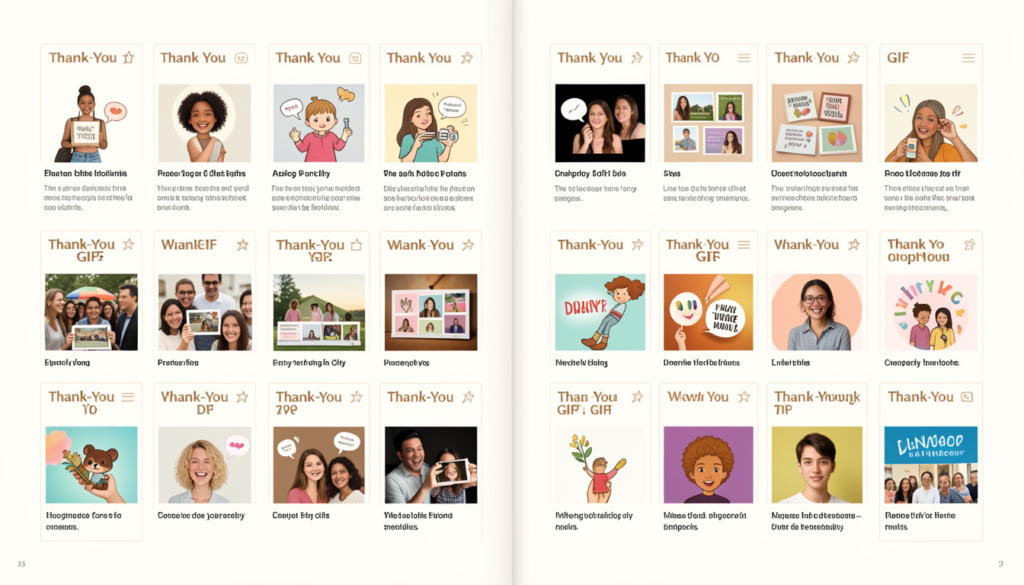
Some common types of thank you GIFs include:
- Animated text saying “Thank You” in bright or elegant fonts
- Popular movie or TV clips with characters showing appreciation
- Cartoon characters waving, hugging, or giving thumbs-up
- Cute animals performing gestures like nodding, clapping, or smiling
- Creative art or hand-drawn GIFs with heartfelt messages
These examples illustrate how GIFs can range from playful to sophisticated, allowing you to match the tone of your message perfectly.
Conclusion
In today’s digital communication landscape, thank you GIFs offer a unique way to express gratitude that is engaging, memorable, and adaptable to various contexts. Whether for professional communication, social media, or personal messages, GIFs bring an extra layer of emotion that words alone often cannot achieve. By choosing the right GIF, considering the recipient’s preferences, and exploring trends and customization options, you can ensure your message of thanks is impactful and meaningful. The next time you want to say “thank you,” consider adding motion, humor, or a personal touch with a GIF—because gratitude is always better when it moves.
(FAQs)
What is a thank you GIF?
A thank you GIF is an animated image or clip used to express gratitude visually. It can include text, characters, or scenes that convey appreciation.
Where can I find free thank you GIFs?
Popular platforms like GIPHY, Tenor, Imgur, and social media apps provide free GIFs for personal and professional use.
Can I use thank you GIFs in professional emails?
Yes, as long as the GIF is appropriate, subtle, and not distracting. Simple text-based or neutral animations work best in professional settings.
How do I make a custom thank you GIF?
You can create personalized GIFs using tools like Canva, Photoshop, or GIPHY’s GIF Maker by uploading images, adding text, and applying animations.
Why are thank you GIFs so popular?
They are popular because they combine emotion, humor, and visual appeal, making messages of gratitude more engaging and memorable than plain text.